Is Your Tint Illegal? A Guide to NSW Window Tint Laws
Window tinting is a popular upgrade for vehicles in Sydney due to the harsh sun, UV exposure, and heat buildup inside cars. However, many drivers are unaware that tint darkness is regulated under NSW road laws, and non-compliant tint can lead to fines, defect notices, and insurance complications.
Understanding these rules before installing or upgrading tint is essential. This guide explains what is legal, what is not, and how to avoid common mistakes that can make your tint non-compliant.
Why NSW Window Tint Laws Exist
NSW tint laws are designed to balance comfort with road safety. While a darker tint reduces heat and glare, it can also reduce visibility, especially during night driving or poor weather conditions.
These regulations aim to:
- Maintain clear driver visibility in all conditions
- Reduce accident risks caused by low-light visibility
- Allow law enforcement appropriate visibility into vehicles
- Standardise safety requirements across all registered vehicles in NSW
Legal Tint Limits in NSW
NSW window tint laws are measured using Visible Light Transmission (VLT), which refers to how much light passes through the glass.
Front Windscreen
- Only a non-reflective tint strip is permitted in the top section
- Full windscreen tinting is not allowed except for medical exemptions
Front Side Windows
- Must allow at least 35% of visible light (35% VLT or higher)
- This is the most strictly regulated window area in NSW
Rear Side Windows & Rear Windscreen
- Must allow at least 20% VLT or higher
- A darker tint is permitted compared to the front windows
SUVs, Vans & Commercial Vehicles
- Front window rules remain the same
- Rear windows often allow more flexibility, depending on vehicle type
How to Tell If Your Tint May Be Illegal
Many drivers only discover tint issues during roadside checks or registration inspections. In many cases, illegal tint is installed unknowingly due to incorrect film selection or poor advice. Common warning signs include difficulty seeing clearly at night, excessively dark window appearance compared to factory tint, or lack of compliance documentation from the installer. Layered tinting over factory glass is another common cause of non-compliance.
Penalties for Illegal Window Tint in NSW
Illegal window tinting can lead to enforcement action during roadside inspections or defect checks. NSW authorities actively monitor tint compliance, particularly in urban areas like Sydney.
Penalties may include
on-the-spot fines, defect notices requiring immediate correction, mandatory tint removal and replacement, and potential insurance complications if tint contributes to an accident. These risks make compliance essential from the start rather than correcting issues later.
Why Choose Noir Coatings When Tinting Your Car
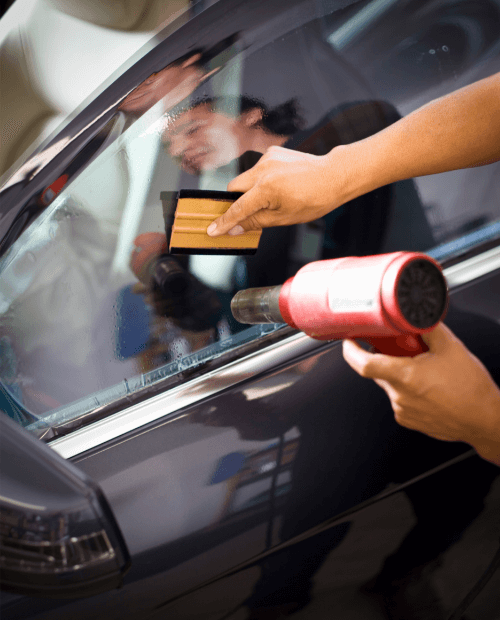
Noir Coatings provides professional car window tinting and ceramic coating services across Sydney, with a strong focus on compliance, performance, and long-term durability.
Every installation is carried out using high-quality, road-legal tint films designed for Australian conditions. Whether you want heat reduction, UV protection, or improved vehicle appearance, Noir Coatings ensures your tint remains fully compliant with NSW regulations while delivering premium results.
Final Thoughts
NSW window tint laws are strict but necessary to ensure safe driving conditions for all road users. While a darker tint may look appealing, compliance should always come first to avoid fines and safety risks. Choosing a professional installer is the most reliable way to ensure your tint is both legal and high-performing. For expert car window tinting and ceramic coating services in Sydney, contact
Noir Coatings for compliant, high-quality installation tailored to your vehicle.
More Car Tinting & Detailing Tips