Is Headlight and Taillight Tinting Legal in Sydney? NSW Laws Explained (2026 Guide)
Headlight and taillight tinting is a popular vehicle styling modification among Sydney drivers who want a darker, more aggressive appearance for their cars. However, in New South Wales (NSW), vehicle lighting is strictly regulated under road safety and Australian Design Rules (ADRs).
These regulations exist to ensure that all road users can clearly see a vehicle’s lights in all driving conditions.
This guide explains the current legal framework for headlight and taillight tinting in Sydney based on NSW road safety requirements and Australian vehicle standards.
What NSW Law Says About Vehicle Lights
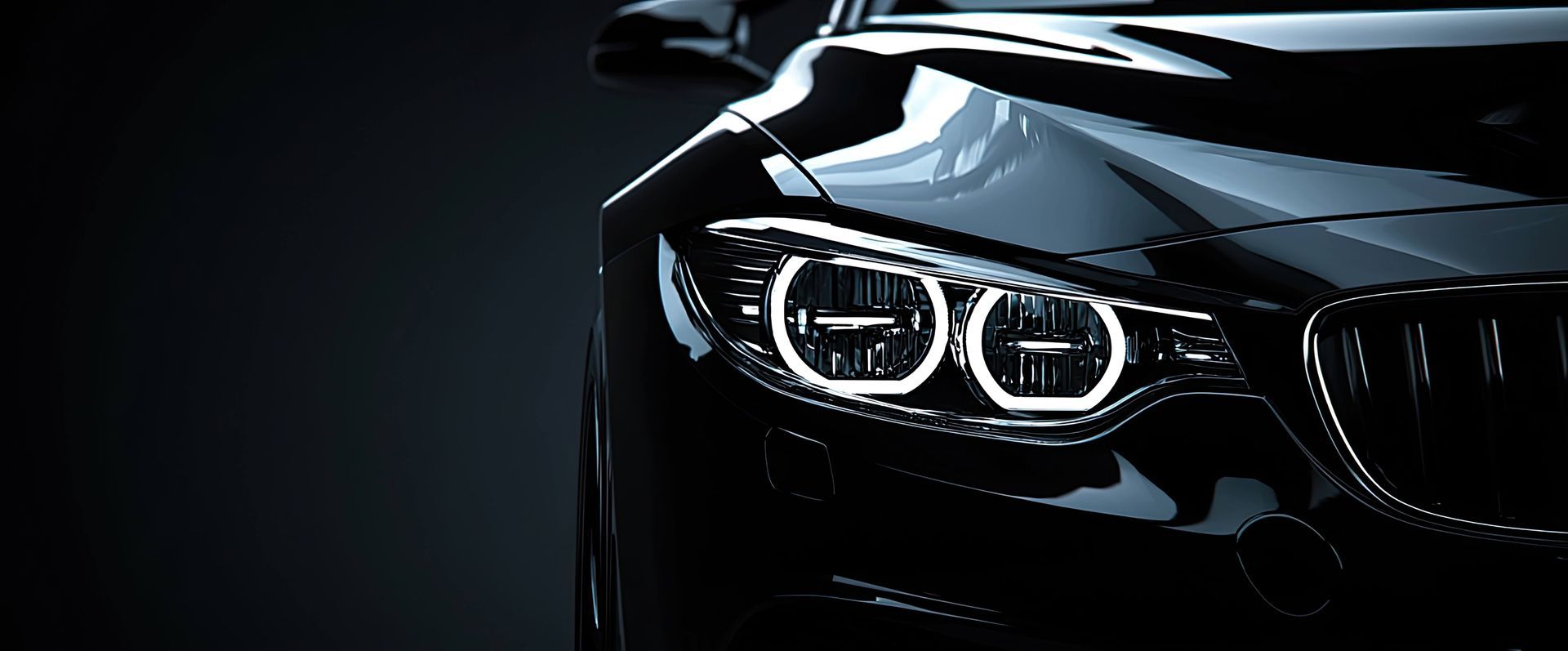
Under NSW road rules, all vehicles must have functioning lights that remain clearly visible when driving, especially at night or in low visibility conditions. This includes:
- Headlights (must illuminate the road effectively)
- Tail lights (must be clearly visible from behind)
- Brake lights and indicators (must be easily identifiable)
- Number plate lighting where fitted
NSW road safety guidance also states that drivers must not use or fit lights that could dazzle, mislead, or reduce visibility for other road users. In addition, vehicle standards legislation requires that all lighting systems meet approved performance standards, including light output, colour, and visibility requirements under Australian Design Rules (ADRs).
Are Headlight and Taillight Tints Legal in NSW?
In general, headlight and taillight tinting is not specifically permitted if it reduces light output or visibility below required standards. The key legal requirement is not about the tint itself, but whether the modified light still:
- Emits sufficient brightness
- Remains clearly visible from required distances
- Maintains correct light colour (white for headlights, red for brake/tail lights)
- Functions safely in all driving conditions
If a tint reduces visibility or changes the light’s performance, it can be considered non-compliant under
NSW roadworthiness and ADR standards.
Why Tinting Can Become Illegal
Even light cosmetic modifications can become illegal if they interfere with safety requirements. Headlight and taillight tinting may be considered non-compliant if it:
- Reduces light intensity to unsafe levels
- Makes brake or indicator lights harder to distinguish
- Alters the required colour output of the light
- Affects visibility in night-time or adverse weather conditions
- Causes the vehicle to fail roadworthiness inspections or defect checks
A key principle in NSW regulations is that vehicle modifications must not reduce the effectiveness of required lighting systems.
Headlight Tinting: Legal Position
Headlights must provide sufficient illumination to clearly light the road ahead. Any modification that reduces beam strength or distorts light colour can create compliance issues. ADR requirements specify that headlights must emit white or selective yellow light only, meaning coloured or heavily modified output is not permitted in standard road use situations. Even seemingly clear or “light smoke” films can still be non-compliant if they reduce brightness enough to affect visibility.
Taillight Tinting: Legal Position
Taillights and brake lights must remain clearly visible to other road users at all times. These lights are critical for communication between vehicles, especially during braking or low-visibility conditions.
NSW standards require that these lights remain easily identifiable in both colour and intensity. Any tint that makes them harder to see or changes their appearance in operation can result in a defect notice or compliance issue.
Enforcement and Compliance in NSW
NSW authorities can issue defect notices if vehicle lighting is considered unsafe or non-compliant. This may occur during roadside inspections or registration checks.
If a vehicle is deemed unroadworthy due to lighting modifications, the owner may be required to remove or correct the modification before the vehicle can be legally driven again. Compliance is assessed based on safety performance, not just appearance.
Legal Alternative Approach (Professional Installation)
While heavy tinting may create compliance risks, professionally applied light tint films can sometimes be used if they:
- Maintain safe light output levels
- Preserve correct colour visibility
- Meet road safety expectations for brightness and clarity
- Are tested and installed by qualified professionals
- Do not interfere with ADR lighting requirements
This is why professional assessment is critical before applying any cosmetic light modifications.
How Noir Coatings Assists Sydney Drivers
Noir Coatings provides professional headlight and taillight tinting solutions designed with both style and NSW compliance in mind. Every installation is approached with a focus on safety, visibility, and long-term durability.
- We assess each vehicle’s lights before tinting to ensure suitability and compliance
- We use high-quality light-transmitting films designed to maintain safe brightness levels
- We recommend appropriate tint shades based on NSW visibility expectations
- We apply professional installation techniques to ensure clean, consistent, and durable results
- We prioritise safety and legal compliance to help reduce the risk of defect notices or inspection failures
If you’re considering headlight or taillight tinting for your vehicle in Sydney, the safest approach is to ensure your upgrade is both visually refined and compliant with NSW road regulations. We specialise in professional-grade headlight and taillight tinting designed to enhance your vehicle’s appearance without compromising safety or legal standards.
Get in touch with us today
to book a consultation or request a free quote, and upgrade your vehicle’s look with confidence and compliance.
More Car Tinting & Detailing Tips