7 Signs Your Car Needs Paint Protection in Sydney
Your car's paint is constantly exposed to conditions that can gradually affect its appearance. In Sydney, regular exposure to strong sunlight, road debris, bird droppings, tree sap, pollution, and changing weather conditions can place additional stress on the exterior finish.
While some paint damage is immediately noticeable, other problems develop gradually. Fading, swirl marks, surface contamination, and stone chips can become more difficult to address as they progress.
This article explains the key signs your car may need
car paint protection in Sydney, helping you identify potential paint damage early and understand when professional protection could help preserve your vehicle's exterior finish.
What Is Car Paint Protection?
Car paint protection refers to products and treatments designed to create a protective barrier over a vehicle's painted surfaces. Depending on the product used, this protection can help reduce the impact of environmental contaminants, UV exposure, road debris, and other factors that can affect the appearance of automotive paint.
Two of the most common forms of professional paint protection are
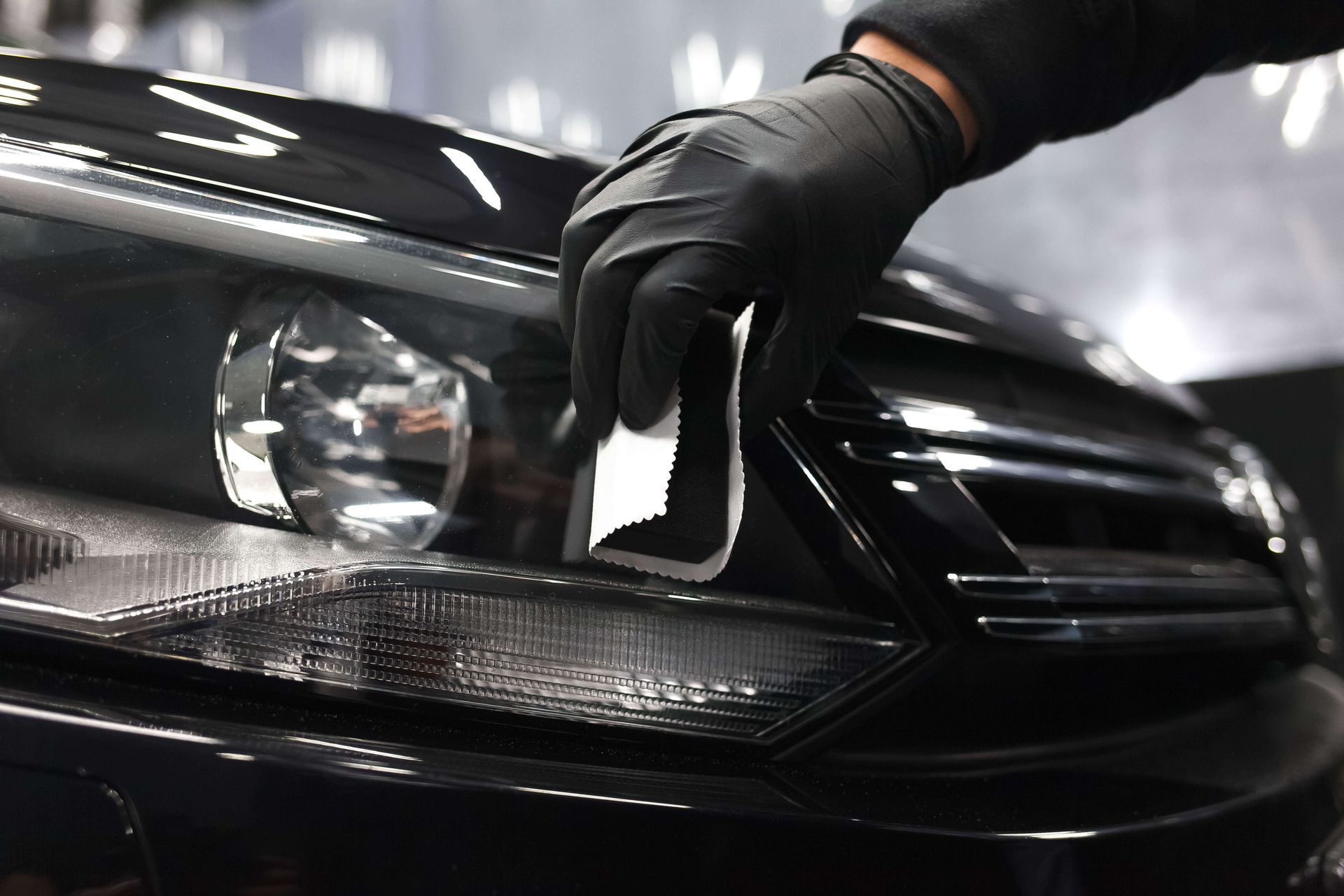
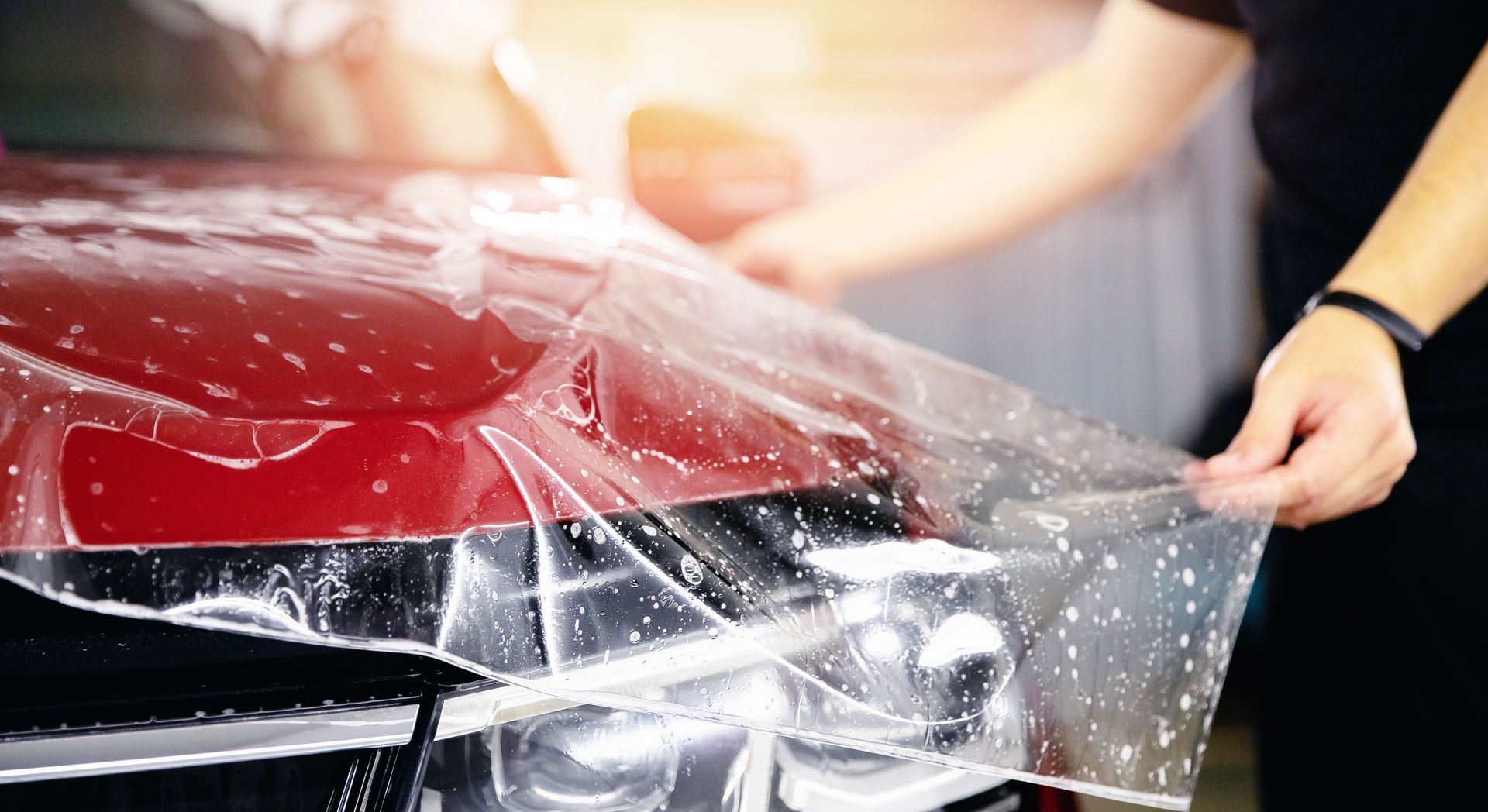
ceramic coating and Paint Protection Film (PPF). Ceramic coating is applied to the paint to create a protective, hydrophobic surface, helping water and some contaminants bead up and be easier to remove. PPF is a transparent protective film that provides a physical barrier between the vehicle's paint and external hazards such as road debris.
7 Signs Your Car Needs Paint Protection
1. Your Car's Paint Is Starting to Fade
Fading paint can be one of the clearest indications that your vehicle is being affected by prolonged environmental exposure. Ultraviolet radiation from the sun can gradually affect automotive paint, particularly when a vehicle spends long periods parked outdoors. Sydney vehicles can experience significant sun exposure throughout the year. Regular outdoor parking can increase the amount of UV radiation reaching the paint, which may eventually affect its colour and overall finish.
2. You Are Seeing More Swirl Marks and Fine Scratches
Swirl marks and fine scratches can make an otherwise clean vehicle look dull or poorly maintained. These imperfections commonly appear as fine circular or spiderweb-like marks across the paint surface and can become particularly visible under direct light. Improper washing and drying techniques can contribute to these marks. Using dirty wash equipment, unsuitable cloths, or aggressive cleaning methods can introduce fine abrasions to the surface over time.
3. Bird Droppings and Tree Sap Are Leaving Marks
Environmental contaminants can become a serious concern when they remain on automotive paint for extended periods. Bird droppings and tree sap are two common examples that can leave noticeable marks if they are not removed promptly. Bird droppings can contain substances that may affect the paint surface, particularly when exposed to heat and sunlight. Tree sap can also adhere strongly to paint and become increasingly difficult to remove as it dries.
4. Your Car Is Frequently Exposed to Road Debris
Everyday driving exposes vehicles to stones, grit, dust and other debris. At higher speeds, small pieces of road debris can strike exposed painted surfaces and potentially cause chips or other damage. The front of the vehicle is particularly vulnerable because the bonnet, front bumper, guards and mirrors can receive direct exposure while driving. Highway and long-distance driving can increase the frequency with which a vehicle encounters road debris.
5. Water Spots and Environmental Contamination Are Becoming a Problem
Water spots can appear when water containing minerals dries on the vehicle's surface. Instead of leaving a completely clean finish, the evaporated water can leave mineral deposits that become increasingly visible over time. Road grime, pollution, dust, and other environmental contaminants can also accumulate on the paint. If these substances are not removed through appropriate washing, the vehicle can gradually lose some of its clean and glossy appearance.
6. Your Car Is Parked Outside Most of the Time
Where you park your vehicle can have a significant effect on how much environmental exposure the paint receives. A car that remains outdoors throughout the day is exposed to sunlight, weather, airborne contaminants, and other conditions that a garage-kept vehicle may experience less frequently. Sydney vehicles parked outdoors can be exposed to strong UV radiation, rain, dust, tree sap, and bird droppings. Repeated exposure over months and years can gradually affect the appearance and condition of the paint.
7. You Want to Keep Your Car Looking New for Longer
Paint protection is not only something to consider after visible damage has already developed. Many vehicle owners choose to protect their paint proactively, particularly when they want to maintain the appearance of a newer vehicle.
A new vehicle may have a clean, glossy finish that owners want to preserve for as long as possible. Regular exposure to sunlight, road debris, and environmental contamination can gradually change that appearance if the paint is left unprotected.
Ceramic Coating vs Paint Protection Film
Ceramic coating and PPF provide different forms of protection, so understanding the basic distinction is important when considering paint protection.
Ceramic Coating
Ceramic coating is a liquid-applied protective treatment that bonds to the vehicle's paint to create a durable protective surface. One of its key characteristics is its hydrophobic behaviour, which can help water and certain contaminants bead and move away from the surface. It can be useful for vehicles exposed to everyday environmental contamination, sunlight, and regular washing. Ceramic coating can also make routine cleaning easier by helping reduce the tendency of some contaminants to remain strongly attached to the paint.
Paint Protection Film
PPF is a transparent film physically applied over selected painted areas. Its primary advantage is providing a physical barrier against hazards such as road debris and stone chips. It is commonly considered for high-impact areas such as the front bumper, bonnet, guards and side mirrors. The amount of coverage can depend on the vehicle, driving conditions and the owner's protection requirements.
Combining Both
Some vehicle owners may choose to combine PPF and ceramic coating. PPF can provide physical protection to high-impact areas, while ceramic coating can be used on other painted surfaces to provide additional protection and easier maintenance. The appropriate approach depends on the vehicle and how it is used.
How Noir Coatings Can Protect Your Car's Paint
1. Professional Paint Assessment
Before applying paint protection, the existing condition of the vehicle's paint needs to be considered. Previous scratches, swirl marks, contamination, and other imperfections can affect the final appearance of the protected surface. A professional assessment helps determine what preparation may be required before applying the selected protection.
2. Proper Paint Preparation
Paint preparation is an important part of achieving a quality result. The vehicle's exterior may require thorough cleaning and decontamination to remove substances that could interfere with the application. Preparing the surface properly helps ensure the protective product can be applied evenly and effectively.
3. Choosing the Right Protection
Not every vehicle requires the same type or level of paint protection. A daily driver exposed to highway conditions may have different requirements from a vehicle that is mainly used for short trips and stored indoors. Noir Coatings can help vehicle owners consider suitable paint protection options based on their vehicle and driving conditions.
4. Professional Application
The quality of the application can influence the appearance and performance of paint protection. Ceramic coating and PPF both require appropriate preparation and application techniques to achieve the intended result. Professional application can help ensure the protective treatment is applied carefully across the selected areas.
5. Protecting Your Vehicle Long-Term
Paint protection is most effective as part of an ongoing vehicle-care routine. Regular washing, prompt removal of contaminants, and appropriate maintenance can help preserve the protected finish. Whether your primary concern is UV exposure, road debris, contamination, or maintaining a newer vehicle's appearance, choosing appropriate protection can help safeguard the investment you have made in your car.
Frequently Asked Questions
1. How long does car window tint last?
Car paint protection can be worthwhile for Sydney vehicles that regularly experience sunlight, road debris, and environmental contamination. Outdoor parking can increase exposure to UV rays, bird droppings, tree sap, and other contaminants. Ceramic coating and PPF can provide different forms of protection depending on the vehicle's needs. The value of protection ultimately depends on how the vehicle is driven, parked, and maintained.
2. Does ceramic coating protect car paint from UV rays?
Ceramic coating can provide a protective layer that helps reduce the effects of environmental exposure, including UV exposure. It also provides a hydrophobic surface that can make water and certain contaminants easier to remove. However, ceramic coating does not make automotive paint completely immune to sunlight or environmental damage. Regular maintenance and sensible vehicle care remain important alongside the coating.
3. Does PPF prevent stone chips?
PPF is specifically designed to provide a physical protective barrier over the vehicle's paint. It can help protect covered areas from everyday road hazards, including small stones and road debris. High-impact areas such as the front bumper, bonnet and mirrors are commonly considered for PPF coverage. The level of protection depends on the film, application and conditions the vehicle encounters.
4. How long does car paint protection last?
The lifespan of paint protection depends on the type of product used, application quality, vehicle use, and maintenance. Ceramic coatings and PPF have different durability characteristics and maintenance requirements. Frequent driving, outdoor exposure, and harsh conditions can influence how the protection performs over time. Following the recommended care instructions can help maintain the protective surface.
5. Can paint protection prevent scratches?
Paint protection can help reduce the risk of certain types of surface damage, but no protection makes a vehicle completely scratch-proof. PPF provides a physical barrier that can help protect covered areas from some minor impacts and abrasions. Ceramic coating primarily provides surface protection and hydrophobic properties rather than the same physical impact protection as PPF. Proper washing and careful vehicle maintenance are still important for reducing scratches and swirl marks.
7. What is better, ceramic coating or PPF?
Ceramic coating and PPF serve different purposes, so neither is universally better for every vehicle. Ceramic coating focuses on creating a protective and hydrophobic surface that can make maintenance easier. PPF provides a physical barrier that is particularly useful for areas vulnerable to stone chips and road debris. Some vehicle owners may benefit from combining both forms of protection.
8. Can paint protection be applied to an older car?
Paint protection can be applied to an older vehicle if the paint is in a suitable condition. However, existing scratches, swirl marks, oxidation, or contamination may need to be addressed before protection is applied. Proper preparation can help improve the appearance of the surface before the protective treatment is installed. A professional assessment can determine what preparation and protection are appropriate for the vehicle.
9. How much does car paint protection cost in Sydney?
The cost of car paint protection in Sydney varies according to the vehicle, paint condition, type of protection, and amount of coverage required. Ceramic coating and PPF have different application processes and pricing considerations. Additional paint preparation or correction can also affect the overall cost. A professional assessment is the best way to determine which protection option and package are suitable for your vehicle.
Protect Your Car With Noir Coatings
If you are noticing fading, swirl marks, paint contamination, or increasing exposure to road debris, it may be time to consider professional car paint protection. Noir Coatings can help Sydney vehicle owners explore suitable protection options, including ceramic coating and Paint Protection Film, based on the vehicle's condition and everyday use.
Contact Noir Coatings to discuss professional car paint protection for your vehicle in Sydney.
More Car Tinting & Detailing Tips